
Find out how we can help
make the place you live,
the place you love.

DIY vs. Pro home improvement myths debunked

Kiwis love a bit of DIY. Whether it’s painting the spare room, laying a new deck, or finally tackling that kitchen that’s been “on the list” since 2018. We’ve got a proud tradition of rolling up our sleeves and giving it a go.

But not every job is a weekend project, and not every myth about DIY holds up. In fact, believing a few of these “she’ll be right” assumptions can end up costing you more in time, money, or even safety.

So, before you grab the power tools or start ripping up floorboards, let’s bust some of New Zealand’s biggest DIY myths and find out when it really pays to call in the pros.

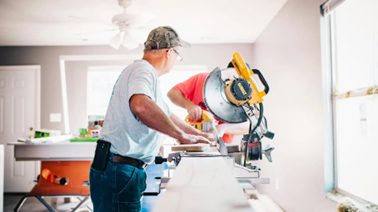
Myth 1: DIY always saves you money

It’s easy to think DIY means instant savings, no labour costs, no invoices, just you, a Bunnings receipt, and a dream. But that “cheap” project can quickly snowball. A 2024 Clever Real Estate survey found 61% of homeowners blew their renovation budgets, with nearly half admitting it was due to underestimating DIY costs or fixing their own mistakes. Add in tool purchase or hire, material waste, and weekends lost to rework, and those savings start to fade fast.

Professionals buy materials in bulk, work faster, and don’t have to redo their own work. The ProGroup teams, for example, have systems honed over thousands of projects, saving homeowners both money and headaches.

Verdict: DIY can save you a few bucks upfront, but pros save you from expensive redos later.

Myth 2: Anyone can do DIY (thanks to YouTube)

YouTube makes it look easy: a five-minute video, a few tools, and suddenly you’re a DIY expert. But what those videos don’t show are the mishaps, the compliance headaches, the hours spent fixing uneven cuts and crooked finishes, or often even giving the correct advice (anyone can post a YouTube video right!).

In 2024, ACC accepted around 19,500 DIY-related injury claims, many caused by power tool misuse and ladder falls; two of the most common mistakes made by “first-time” renovators. What looks straightforward online can quickly turn dangerous in real life, especially when you’re juggling unfamiliar tools or materials.

Professional tradies spend years mastering the techniques, safety habits, and product knowledge that YouTube can’t teach. They know which materials suit New Zealand’s climate, which shortcuts actually work, and which ones will cause leaks, cracks, or worse.

Verdict: Watching a video is easy. Doing it safely and to a professional standard is something else entirely.

Myth 3: Cheap materials or quotes mean better value

We all love a bargain, but when it comes to home improvement, the cheapest quote isn’t always the smartest one. Low prices often come with hidden costs: rushed prep work, low-grade materials, or a finish that looks great… for about a month.

What looks fine on day one can start cracking, peeling, or fading months later, and by then the “savings” are long gone. Many homeowners end up paying twice, once for the cheap job and again to have it done properly.

Professional tradespeople price their work based on getting it right the first time, using quality products, proven methods, and warranties that back it all up. That’s what real value looks like: lasting results that don’t need fixing next season.

Verdict: Cheap jobs fade fast. Quality work from the pros saves money, time, and headaches in the long run.

Myth 4: You don’t need consent for small jobs

“Surely I don’t need consent to add a wall here or change the plumbing a bit?” Famous last words.

The Ministry of Business, Innovation and Employment (MBIE) makes it clear: many small jobs still require building consent or must be carried out by a licensed professional. Electrical, plumbing, structural, or load-bearing work is a big no-no for DIY.

Unconsented work can also void your insurance or delay a property sale; a costly mistake that many homeowners only discover when it’s too late.

Verdict: When in doubt, check before you start, or hire a pro who already knows the rules.

Myth 5: DIY jobs don’t impact insurance

It’s easy to assume your insurance will cover anything that goes wrong at home, but not all claims are created equal. Most insurers make it crystal clear: if damage is caused by unconsented or unqualified work, you could be on your own.

AA Insurance, for example, warns that policies may not cover losses resulting from faulty DIY electrical and plumbing work. And according to Consumer NZ, insurers routinely deny claims linked to unlicensed building, wiring, or gasfitting, even if the damage appears unrelated.

Always read your policy wording carefully; many require that work be carried out by a qualified or licensed professional. Or else those “small jobs” can turn into expensive lessons fast.

Verdict: DIY might feel thrifty, but voided cover is about as costly as it gets.

Myth 6: All renovations increase home value

A slick new kitchen or bathroom can absolutely boost your home’s appeal,  but that doesn’t mean every renovation will add value. Some upgrades simply don’t return what you put in, especially if they’re poorly planned or low quality.

Data from OneRoof shows that adding an extra bedroom to a typical 1980s house in West Auckland added only around NZ$12,600 in value, hardly a windfall once you factor in construction costs. Financial advisors in New Zealand also warn about over-capitalising: spending more on a renovation than the market will reward can actually leave you worse off.

Poor workmanship, non-compliant work, or finishes that don’t suit the home’s value bracket can also reduce buyer interest. Professional work, on the other hand, adds confidence, longevity, and genuine resale appeal.

Verdict: Not all renovations are created equal; value comes from smart design, solid workmanship, and getting it done right the first time.

Do it once, Do it right

DIY has its place; fixing a fence panel, repainting a bedroom, or hanging shelves can be rewarding. But for anything bigger, riskier, or more permanent, the myth of “saving money” rarely holds true. Professional work means safety, compliance, and long-lasting quality. It means fewer surprises when you sell, and no awkward conversations with your insurer.

So before you grab the toolbox this weekend, ask yourself one thing: Is it worth the risk?

If not, give The ProGroup a call. Our expert teams across New Zealand handle everything from painting and fencing to landscaping and garage makeovers. Done once, done right, and built to last.

The Progroup - “making the place you live, a place you love.”

Back to top