
Find out how we can help
make the place you live,
the place you love.

What’s the real damage of damp & mouldy homes in NZ?

Most of us don’t think too much about dampness or mould until it becomes obvious. It’s easy to brush it off as “just part of living in New Zealand.” And to be fair, moisture is part of life here. Between our climate and older housing stock, a bit of dampness isn’t unusual. But it’s also not harmless.

That constant exposure to moisture can wreak havoc behind the scenes. Damp conditions don’t just impact air quality or comfort; they also slowly break down the surfaces in your home. And one of the first places that damage shows up? Your grout and tiles.

We have taken recent data from the Housing in Aotearoa New Zealand 2025 report (Stats NZ) to look at how widespread this issue is across Kiwi homes, what damage it’s actually causing to your home and how you can stop it.
Damp & mould in NZ homes: Improving, but still widespread

To get a clearer picture of how common dampness and mould actually are, let’s look at the national data.

Across New Zealand, the percentage of homes experiencing damp conditions has dropped from 21.5% in 2018 to 18.1% in 2023, while homes affected by mould have decreased from 16.9% to 14.0% over the same period. On the surface, that’s good news. It suggests that improvements in building standards, insulation, and awareness around healthy homes are starting to make a difference.

However, even with that progress, nearly 1 in 5 homes are still dealing with dampness, and around 1 in 7 have visible mould issues. That’s a significant portion of Kiwi households still exposed to ongoing moisture. What this tells us is that dampness and mould aren’t just problems of the past; they’re still a regular part of how many homes function day to day.

Why damp conditions put your grout and tiles at risk

When dampness becomes part of your everyday environment, moisture settles into the materials around you, especially in areas that deal with water regularly. And that’s where grout becomes vulnerable.

Unlike tiles, which are designed to be water-resistant, grout is naturally porous. Over time, it can absorb moisture, especially in spaces exposed to constant steam, splashes, and humidity. In homes where dampness is more persistent, that exposure becomes continuous rather than occasional. Showers, limited ventilation, and daily use all add to the moisture load, gradually wearing down the integrity of the grout.

The challenge is that this process happens slowly and often out of sight. Long before any obvious damage appears, moisture can already be sitting within the grout lines, creating the conditions for deeper issues to develop.

What happens when grout starts to fail

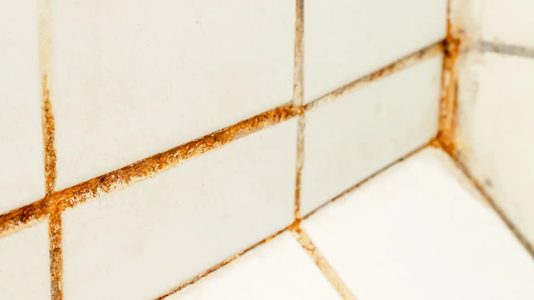
Once grout begins to deteriorate, the signs tend to show up in ways most homeowners will recognise. It starts with discolouration. This change is a sign that moisture has already worked its way in.

From there, you may notice mould forming along the grout lines. Unlike mould on flat surfaces, this can be harder to remove and often returns quickly, even after cleaning your tiles. As the condition worsens, grout can begin to crack, crumble, or wear away altogether. At this point, it’s no longer just a cosmetic issue. Those small gaps allow water to pass through, increasing the risk of moisture getting behind your tiles.


That’s when problems can escalate into:

  • Hidden mould growth.
  • Weakening of tile adhesion.
  • Damage to walls or flooring.

What starts as a subtle change in appearance can quickly turn into a much bigger repair job if it’s left untreated.

Not all homes face the same risk

While dampness and mould are clearly widespread across New Zealand, the level of risk isn’t the same everywhere.

So what’s driving that difference?

A big part of it comes down to local conditions. Warmer, more humid climates tend to hold moisture for longer, while regions with older housing stock or lower insulation standards can also be more prone to damp environments. Even factors like how homes are positioned, ventilated, or used day-to-day can influence how moisture builds up inside.

But here’s the key takeaway: even in regions with lower overall numbers, dampness and mould are still present. There’s no part of the country where the risk drops to zero. That means, regardless of where you live, your home is still exposed to ongoing moisture. And when that exposure becomes consistent, it’s often the smaller, more vulnerable surfaces, like grout lines and tile joints, that start to show the effects first.

How to protect your grout and tiles from moisture damage

The good news is that while dampness and mould are common, the damage they cause isn’t inevitable. With the right approach, you can protect your grout and tiled areas before small issues turn into bigger ones.

Start by spotting the early signs

The earlier you catch moisture-related damage, the easier it is to manage. Keep an eye out for:

  • Discolouration in grout lines.
  • Mould that keeps coming back after cleaning.
  • Grout that feels rough, cracked, or uneven.

These are often signs that moisture has already worked its way beneath the surface. At this stage, it’s not just a cleaning issue; it’s a sign that the material itself is starting to break down.

Reduce moisture where you can

While you can’t eliminate moisture completely, you can reduce how long it lingers in your home. Simple habits can make a noticeable difference:

  • Using extractor fans during and after showers.
  • Opening windows to improve airflow.
  • Wiping down tiles and grout after heavy use.
  • Paying attention to corners, edges, and joints that don’t dry easily.

These steps help limit how much water is absorbed into grout over time.

Understand the limits of cleaning

It’s easy to assume that if grout looks clean, the problem is gone, but that’s not always the case. Standard cleaning products typically only treat the surface. If moisture and mould have penetrated deeper into the grout, they can continue to develop underneath and reappear over time. While GroutPro uses specialised tile cleaning methods to attack the root cause, a majority of homeowners won’t. That’s why recurring mould or staining is often a sign that cleaning alone isn’t enough.

Understand you can restore, rather than replace

Grout doesn’t last forever. As it ages, it becomes more porous and more vulnerable to moisture, making it harder to maintain and easier for damage to take hold.

GroutPro specialises in restoring tiled areas without the need for full tile replacement. Services include:

  • Regrouting: removing damaged grout and replacing it with fresh, durable material.
  • Sealing: applying protective sealants to reduce moisture absorption and prevent future deterioration.
  • Mould treatment: addressing mould at its source, not just on the surface.

These solutions are designed to extend the life of your tiled areas, improve their appearance, and protect your home from ongoing moisture damage.

A smarter, more cost-effective approach

In many cases, restoring your grout is far more cost-effective than replacing tiles altogether. Instead of ripping out entire tiled areas, targeted restoration can:

  • Improve the look of your space.
  • Strengthen vulnerable areas.
  • Prevent more serious damage from developing behind the tiles.

It’s a practical way to deal with moisture-related wear before it turns into a much larger (and more expensive) problem.

Small issues, bigger consequences

Dampness and mould are an unfortunately familiar part of life in New Zealand. And while they’re often talked about in terms of health or comfort, their impact goes further than that. Over time, constant exposure to moisture can wear down the surfaces in your home, especially in areas that deal with water every day.

If you’ve started to notice staining, recurring mould, or cracking in your tiled areas, it may be time to take a closer look. Get in touch with your local GroutPro team. We can assess the condition of your grout and tiles, recommend the right solution, and restore your surfaces before the problem gets worse.

The Progroup - “making the place you live, a place you love.”

Back to top