
Find out how we can help
make the place you live,
the place you love.

Are your dirty grout lines a biohazard? Understanding bacteria buildup in tiled areas.

Grout lines don’t usually get much attention. Most of us wipe the tiles, spray a bit of cleaner, and move on with our day. But the reality is, grout can quietly collect more than just a bit of soap scum.

So, are your grout lines a biohazard? Not by default. But over time, especially in bathrooms and kitchens, they can trap moisture, bacteria, mould, and allergens if they’re not properly cleaned and maintained.

Let’s break down what’s really going on between your tiles and how GroutPro can help you actually fix it.
Why is grout so vulnerable to buildup?

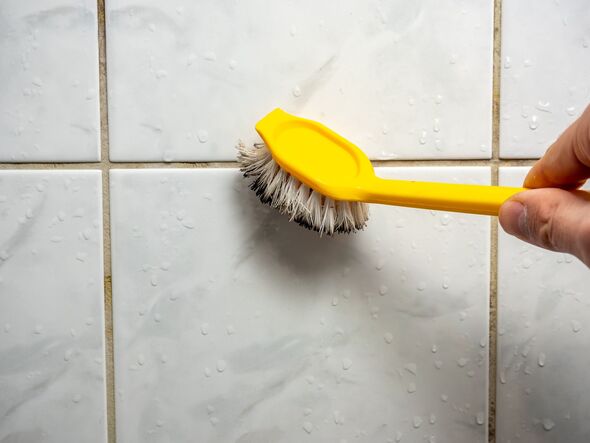
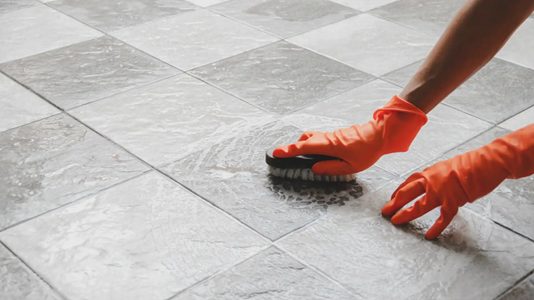
Grout might look solid, but it’s surprisingly porous. Think of it a bit like a sponge. Every time you shower, mop, or splash water around the sink, that moisture can soak in. Tiny cracks can form, soap residue builds up, and organic matter settles into the surface. It creates the perfect environment for bacteria and mould to grow.

Areas most at risk include:

  • Shower walls and floors
  • Bathroom tile corners
  • Kitchen splashbacks
  • Laundry floors

If grout starts breaking down or crumbling, it may need proper grout repair to stop water from penetrating further. Because once moisture gets in behind tiles, it becomes much harder to deal with.

What is biofilm & why does mould keep coming back?

Ever cleaned your grout, stepped back feeling pretty happy with the result, and then noticed the mould creeping back a few weeks later? That’s often because of biofilm.

Biofilm is a thin, sticky layer that bacteria create to protect themselves. It bonds to surfaces like grout and makes it much harder for everyday cleaners to fully remove what’s underneath.

Bleach might lighten the stains. Scrubbing might make it look better for a while. But if that biofilm layer isn’t properly removed, the problem can reappear faster than you’d expect. That’s why removing mould feels like a battle you can’t quite win.

What’s actually building up in the grout?

Grout doesn’t just collect dirt. In damp tiled areas, it can trap:

  • Mould spores
  • Mildew
  • Bacteria
  • Dust mites
  • Allergens
  • Soap residue and grime

In kitchens, food splashes and grease can also settle into grout lines. In bathrooms, steam and humidity feed mould growth. It doesn’t mean your home is unsafe, but it does mean grout can become a hygiene issue if left untreated, especially in high-use areas like showers and splashbacks.

Is dirty grout something to worry about?

In most homes, dirty grout is more of a hygiene issue than a serious health hazard. But it can contribute to things like musty  or urine smells, reduced air quality, and ongoing mould exposure. For households with asthma sufferers, young kids, or anyone sensitive to allergens, that build-up can become more noticeable.

It’s not about alarm bells. It’s about recognising that grout isn’t just cosmetic. When it’s constantly damp and mouldy, it’s not doing your home any favours.

Signs your grout needs attention

If you’re not sure whether your grout has crossed the line from “a bit dirty” to “needs sorting,” look for these signs:

  • Black or pink staining that keeps coming back.
  • A damp, musty or public toilet smell in the bathroom.
  • Discolouration that won’t scrub off.
  • Cracked or flaking grout.
  • Silicone seals that are peeling or lifting.

Failing silicone is another common culprit. When it lifts or cracks, water can sneak in behind it, creating hidden moisture pockets. In those cases, professional silicone removal and replacement may be the only way to properly deal with the issue. If you’re cleaning the same spots over and over, that’s usually a clue.

Why DIY cleaning often falls short

Most supermarket sprays are designed to clean what you can see, and don’t usually have the strength due to consumer health and safety laws. They improve the surface appearance, but they don’t always remove what’s embedded deeper inside the grout. Scrubbing harder doesn’t necessarily fix the problem either. In some cases, it can actually rough up the surface and make grout more porous.

That means moisture can soak in even faster next time. If mould keeps returning, it’s often because the build-up hasn’t been properly extracted from the grout itself.

How professional tile & grout cleaning fixes the problem properly

When grout has absorbed years of moisture and grime, it needs more than a quick scrub. Professional tile and grout cleaning uses specialised equipment that penetrates deeper into the grout lines, removing embedded dirt, bacteria, and that stubborn biofilm layer.

The GroutPro process can:

  • Remove deep-seated mould and bacteria.
  • Restore the original grout colour.
  • Eliminate built-up residue.
  • Improve overall hygiene in bathrooms and kitchens.

Once grout has been properly cleaned, ongoing maintenance becomes far easier. In many cases, grout colour sealing can then be applied to help stop moisture from soaking back in and make cleaning simpler long-term. It’s about fixing the root cause, not just the surface.

Grout cleaning is not just about looks

Grout lines aren’t automatically a biohazard, but left damp and untreated, they can become a hygiene issue over time. A professional clean can restore both the appearance and hygiene of your tiled areas, and save you from fighting the same battle every few weeks.

If you’re ready to get on top of it properly, talk to your local GroutPro team and give your bathroom or kitchen a fresh start.

The Progroup - “making the place you live, a place you love.”

Back to top