Find out how we can help
make the place you live,
the place you love.

How to keep bathroom tiles mould-free

Bathroom mould is one of those problems that feels impossible to beat. You scrub it away, everything looks clean for a while, and then a few weeks later it’s back. The good news? Mould isn’t inevitable. With the right habits and a few smart fixes, you can keep your bathroom tiles mould-free long term.

In this guide, we’ll explain why mould keeps coming back, what everyday habits make it worse, and how GroutPro can help.

Why mould loves bathroom tiles and grout

Bathrooms are the perfect environment for mould. They’re warm, damp, and often poorly ventilated, exactly what mould needs to grow. While tiles themselves are fairly resistant, grout and silicone are a different story.

Grout is porous, which means it absorbs moisture. Once water gets in, mould spores can grow below the surface, not just on top. Silicone seals around showers and baths can also trap moisture behind them, creating hidden pockets where mould thrives.

That’s why mould often shows up first in grout lines, corners, and along silicone edges, and why wiping tiles alone doesn’t always solve the problem.

Bad habits that encourage bathroom mould

Most bathroom mould problems don’t come from one big issue. They build up over time through small, everyday habits that let moisture hang around longer than it should. These habits are easy to overlook, but together they create the perfect conditions for mould to grow.

  • Leaving the bathroom damp after showers allows steam to settle on tiles, grout, and ceilings, where moisture slowly sinks into porous surfaces.
  • Turning the extractor fan off too soon means humid air stays trapped in the room for much longer than you realise, often 20–30 minutes after showering.
  • Keeping windows closed, especially in humid conditions, stops fresh air from circulating and gives moisture nowhere to escape.
  • Wet towels and bath mats left to dry slowly release moisture back into the room, keeping humidity levels high long after the shower’s finished.
  • Only surface-cleaning tiles can make the bathroom look tidy, but mould can still grow deeper inside grout where cloths and sprays don’t reach.
  • Relying on harsh cleaners may bleach grout lighter, but they often fail to kill mould spores at the source, meaning the problem returns quickly.

None of these habits seems serious on its own, but combined, they make it extremely difficult to keep bathroom tiles mould-free without tackling moisture properly.

Simple habits to keep tiles mould-free

The key to mould prevention is reducing moisture and stopping it from settling into grout and silicone. A few consistent habits make a huge difference.

After every shower:

  • Run the extractor fan for at least 20–30 minutes
  • Open a window if possible
  • Use a squeegee or cloth to wipe down tiles and glass
  • Hang towels and bath mats so they dry properly


Weekly maintenance:

  • Clean tiles and grout with a pH-neutral cleaner
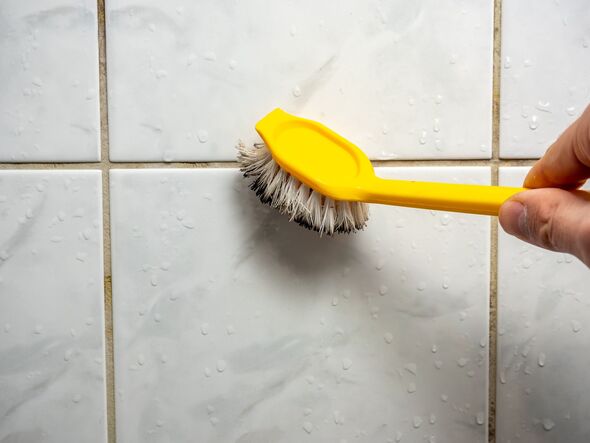
  • Lightly scrub grout lines to remove residue
  • Check corners and silicone for early signs of mould
  • Wash bath mats and towels regularly

Consistency matters more than heavy-duty chemicals. Gentle, regular cleaning is far more effective than aggressive scrubbing once mould has taken hold.

Why DIY cleaning only treats the symptoms

Grout is porous, which means over time it absorbs moisture. Once that happens, mould doesn’t just sit on the surface; it settles inside the grout itself. That’s why you can clean everything, step back feeling pretty chuffed, and then notice the mould creeping back a few weeks later in the exact same spots.

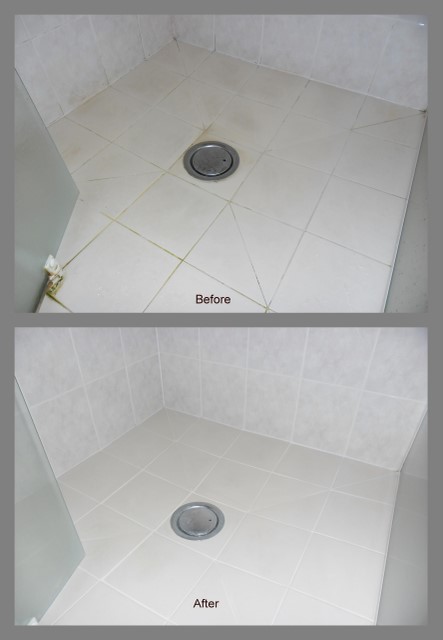
Our professional tile and grout cleaning goes deeper than everyday products. It removes built-up grime, soap residue, and mould that’s sitting below the surface, giving your bathroom a proper reset. If cleaning feels like a never-ending cycle, it’s often a sign that surface-level fixes just aren’t cutting it anymore.

Why old grout keeps letting mould back in

Over time, grout naturally wears down, especially in showers where it’s constantly exposed to water and steam. As it ages, it becomes more porous, soaking up moisture instead of keeping it out. That moisture creates the perfect conditions for mould to return, no matter how careful you are with cleaning. It’s frustrating because the bathroom can look fine one week and tired again the next.

Grout colour sealing helps stop that cycle. By sealing the grout lines, moisture can’t soak in as easily, which makes it much harder for mould to take hold. It also makes regular cleaning quicker and easier, because dirt and grime sit on the surface instead of sinking in.

Why mould loves failing silicone sealant

Silicone sealant is another common trouble spot. It sits right where water collects, and it takes a lot of wear over time. Constant abrasive cleaning can damage the surface and over time this allows soap and body oils to penetrate the surface. Mould then grows in it, which is unable to be cleaned no matter how much you scrub.

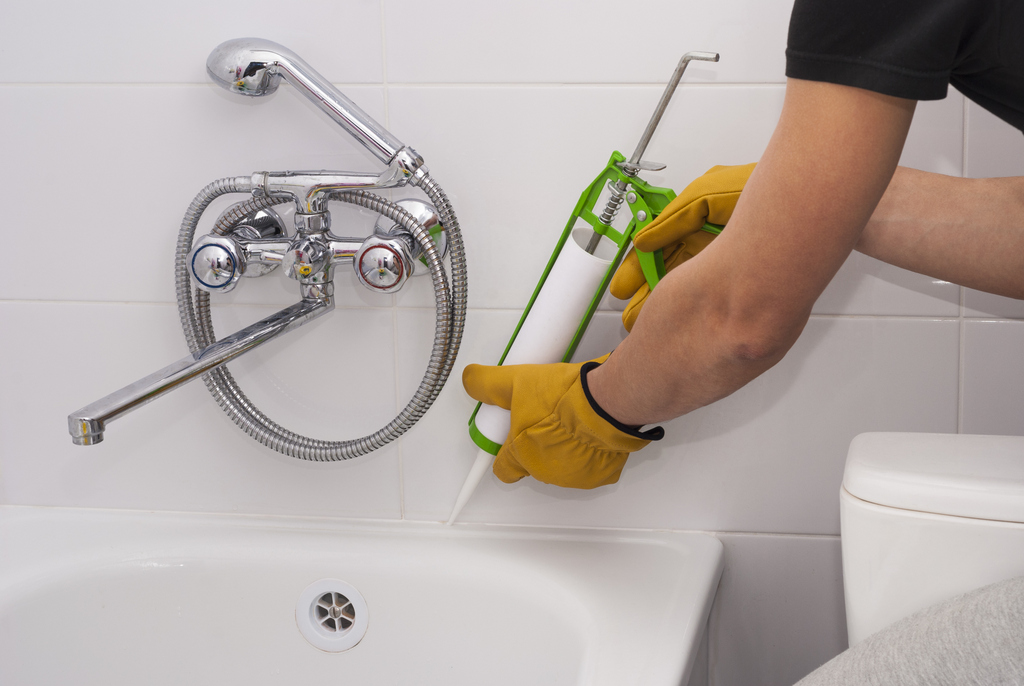
In these cases, scrubbing or bleaching won’t solve the problem. Removing the old silicone and replacing it with fresh product is the only way to properly deal with mould in those areas.

Keep bathroom mould away for good

If you’re tired of scrubbing the same spots over and over, The ProGroup can help restore your bathroom properly, tackling the root cause, not just the surface stains.

Get in touch with your local GroutPro team today and enjoy a bathroom that stays fresh, clean, and mould-free.

The Progroup - “making the place you live, a place you love.”

Back to top